
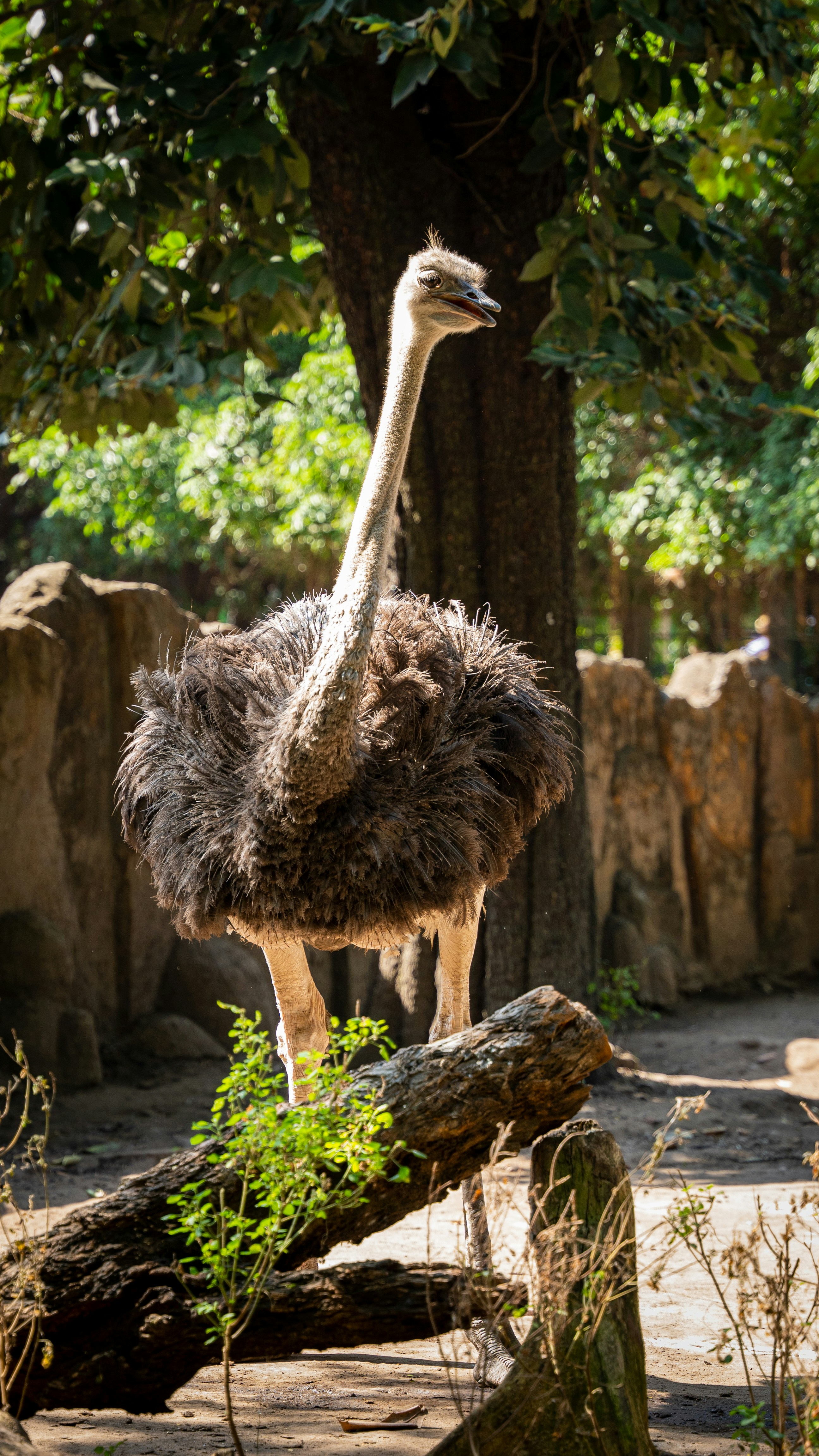
The Situation: Court Ruling and Its Implications
Recently, a court ruling in Canada has sanctioned the culling of ostriches, a decision that has sparked significant debate among various stakeholders. The legal reasoning behind this ruling primarily rests on purported health concerns related to the ostrich populations. The court has pointed to potential disease transmission risks that could affect other wildlife, livestock, and even humans, thereby justifying the culling as a necessary public health measure. However, this ruling has raised numerous alarms among animal rights advocates and conservationists who argue that such drastic actions undermine the principles of scientific preservation.
Advocates against the culling argue that the scientific evidence supporting the health risks is not sufficiently robust to warrant such an extreme measure. They emphasize the importance of humane treatment of animals, as well as the ecological role that ostriches play in the environments they inhabit. In their view, the culling could lead to detrimental effects on the ecosystem, including the disruption of food chains and habitat alterations, thus endangering not only the ostrich population but also other wildlife that depends on a balanced ecosystem.
Moreover, the implications of this ruling extend beyond the immediate welfare of ostriches. The decision has raised concerns regarding the broader impact on wildlife management policies in Canada. Critics worry that the ruling sets a precedent for handling other species deemed problematic or unsafe without sufficient justification. This situation emphasizes the ongoing tension between public health imperatives and animal rights, calling for more dialogue and research on effective, ethical ways to manage wildlife populations. The legal and ecological ramifications of the ruling necessitate a careful consideration of both health concerns and the rights of animals, an issue that warrants further investigation as Dr. Oz champions the cause for the scientific preservation of ostriches in Canada.
Dr. Oz’s Perspective: The Case for Scientific Importance
Dr. Oz has ardently advocated for the conservation of the surviving ostriches in Canada, emphasizing their unique biological and ecological significance. These large, flightless birds not only possess distinctive physical traits but also embody evolutionary adaptations that can contribute to our understanding of various scientific disciplines. The study of ostriches offers valuable insights into genetics and can enhance current knowledge surrounding evolutionary biology.
One of the critical arguments made by Dr. Oz pertains to the genetic variability observed within ostrich populations. Such genetic diversity serves as a critical resource for research in conservation biology. Understanding the genetic makeup of ostriches may enable scientists to identify resilience factors that contribute to survival in changing environmental conditions. The knowledge gained from such studies could be pivotal in efforts to preserve other endangered species and maintain ecosystem balance.
In addition to genetics, Dr. Oz highlights the importance of studying ostrich behavior, which could yield significant insights into animal behavior theories. Their social structures, mating rituals, and communal nurturing practices provide a unique opportunity to explore avian social dynamics. Such behavioral studies can further inform researchers about adaptation strategies employed by animals in the wild, shedding light on survival mechanisms pertinent to other species.
Moreover, Dr. Oz insists that the conservation of these ostriches is crucial in the broader context of biodiversity. The loss of any species can have profound implications for ecological systems, potentially leading to cascading effects that disrupt environmental stability. By preserving the surviving ostriches, scientists can ensure that these birds continue to play a role in their ecosystems and contribute to scientific knowledge. Overall, the arguments presented by Dr. Oz underline the multifaceted benefits of conserving ostriches for scientific purposes, highlighting the imperative to protect and study these remarkable creatures.
Ethical Considerations: Balancing Animal Welfare and Scientific Inquiry
The ongoing debate surrounding the culling of surviving ostriches in Canada versus the preservation efforts advocated by Dr. Oz brings to the forefront several ethical considerations. Central to this discourse is the moral responsibility humans hold towards animal species, particularly those that are endangered or facing extinction. The ethical implications of drastic measures such as culling raise fundamental questions about the right to determine the fate of non-human lives based on human interests, which often span scientific inquiry, conservation strategies, and economic factors.
Proponents of animal rights argue that all species, regardless of their status or utility to humans, deserve to exist without the threat of eradication. They emphasize that animals have intrinsic value and advocates for their welfare insist upon the need for humane treatment and protection of habitats. Animal welfare groups often point out that preserving ostriches and their ecosystems not only supports biodiversity but also contributes to ecological balance, which ultimately benefits human beings as well. This perspective resonates with many who see scientific inquiry as a sphere that must be tethered with ethical considerations, advocating for a fuller appreciation of the natural world.
On the other hand, members of the scientific community present arguments that are more focused on the potential benefits of controlled population management. They assert that understanding the role of surviving ostriches within their ecosystem can yield invaluable insights into species adaptation and behavior, important for conservation strategies in the long run. Scientific inquiry, in this case, is depicted as a means to inform future decisions about wildlife management, even if they inadvertently involve uncomfortable choices such as culling.
Ultimately, the ethical considerations surrounding this issue demand a nuanced conversation that recognizes the importance of balancing animal welfare with the imperatives of scientific research. A responsible approach will require collaboration between animal rights advocates and scientists to ensure that preservation efforts lead not only to survival but also to the flourishing of ostriches and their natural habitats.
Next Steps: Advocacy, Public Awareness, and Policy Change
The preservation of surviving ostriches in Canada necessitates a multifaceted approach that includes advocacy, increased public awareness, and impactful policy changes. First and foremost, raising public consciousness about the importance of these unique birds is crucial. Initiatives such as informative campaigns, social media outreach, and educational programs in schools can promote understanding of the ecological and cultural significance of ostriches. Engaging local communities through workshops and presentations will help disseminate this information effectively.
Grassroots movements can play a pivotal role in mobilizing support for ostriches. Citizens can form local advocacy groups to organize events, encouraging community members to participate in preservation activities such as habitat restoration and fundraising initiatives. These groups can work collaboratively with conservation organizations, leveraging shared resources to amplify their voice in the conversation surrounding ostrich conservation.
Additionally, individuals can harness their influence by engaging with policymakers. Writing letters, attending town hall meetings, and meeting with government representatives are effective ways to discuss the necessity for wildlife protection policies tailored specifically to ostriches. Advocacy should focus on urging policymakers to allocate funding for conservation projects that study and protect these birds. Equally important is promoting research opportunities for scientists to explore the behavioral and ecological aspects of ostriches, allowing for informed decisions that aid in their preservation.
Public support is a cornerstone of successful wildlife policies. Encouraging citizens to sign petitions or participate in community discussions can foster a collective momentum aimed at ensuring the survival of ostriches. By emphasizing the shared responsibility in protecting our wildlife, communities can inspire action that resonates with decision-makers. It is through these combined efforts that we can hope to secure a future for the ostriches of Canada.