
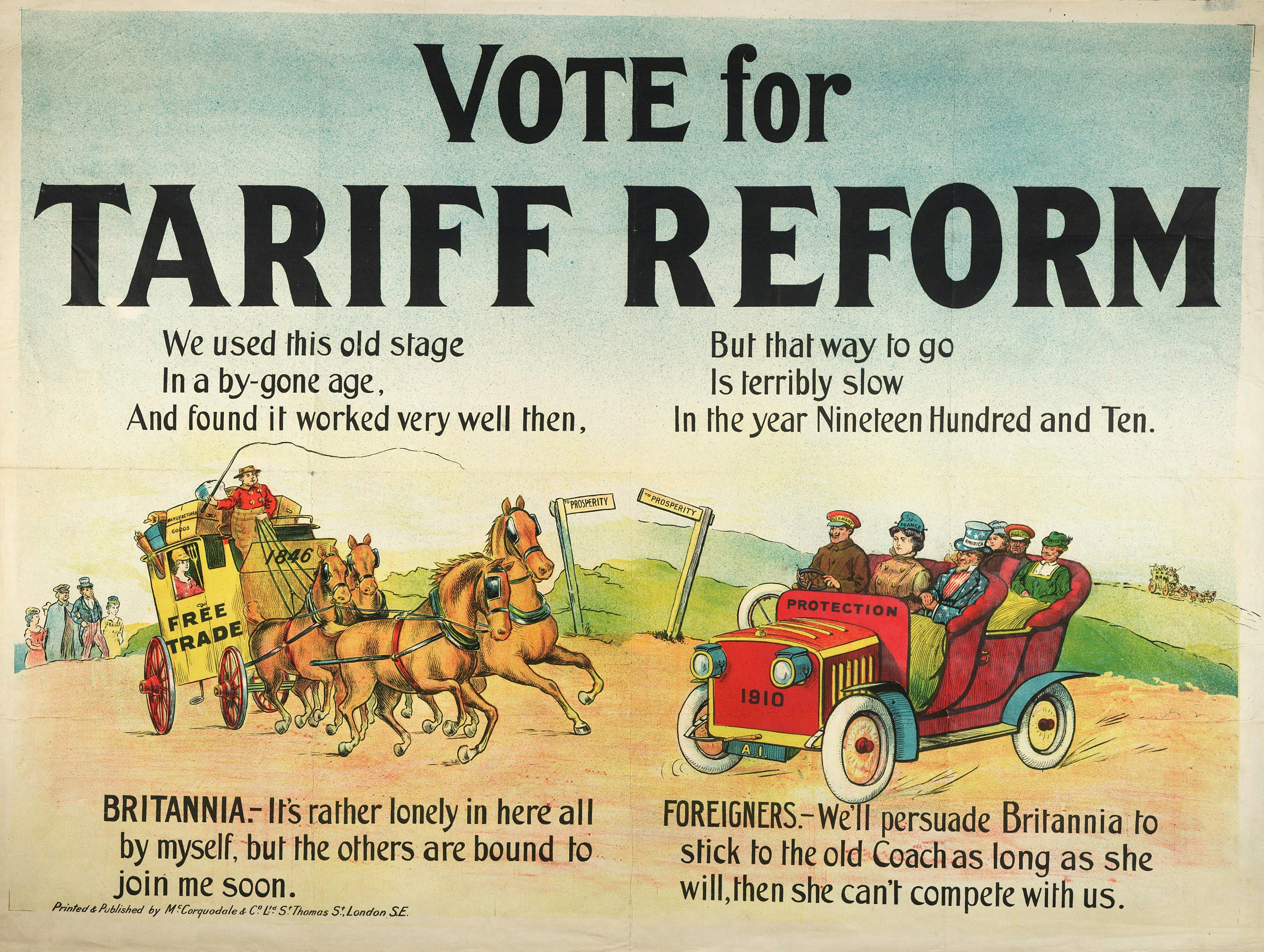
Historical Context of Canada-US Trade Relations
The trade relationship between Canada and the United States is one of the most significant bilateral partnerships globally, rooted in a long history of economic interdependence. Since the early 20th century, both nations have engaged in various trade agreements aimed at reducing barriers and enhancing commerce. The introduction of the Canada-US Free Trade Agreement (CUSFTA) in 1989 marked a pivotal moment, as it eliminated many tariffs and fostered a more integrated North American economy.
The establishment of the North American Free Trade Agreement (NAFTA) in 1994 further solidified this relationship, comprising Canada, the US, and Mexico. NAFTA was instrumental in increasing trade volume, ultimately leading to the removal of most tariffs and creating a secure framework for addressing trade disputes. However, over the years, certain provisions and the nature of the trade dynamics began to evoke concerns regarding job displacement and the trade deficit, especially in the manufacturing sector in the United States.
In 2018, the renegotiation of NAFTA resulted in the United States-Mexico-Canada Agreement (USMCA), also known as CUSMA in Canada. This updated agreement aimed to address modern trade issues, including digital trade, intellectual property rights, and labor provisions, reflecting the changing landscape of global commerce. However, the implementation of new tariffs on Canadian aluminum and steel by the US administration raised tensions, complicating the trade landscape.
Throughout these developments, Canada’s diplomatic outreach to the United States has been crucial. Both nations recognize their economic interdependence, and historical tensions often give way to collaboration as they seek mutual benefits in trade agreements. Understanding this historical context is essential to grasp the nuances of the current resurgence in trade negotiations and the implications of reciprocal tariff adjustments that can redefine the economic relationship going forward.
Reciprocal Tariff Adjustments: A New Era of Trade Policies
The recent reciprocal tariff adjustments between Canada and the United States mark a significant shift in the trading relationship between the two nations. Historically, tariffs have been a contentious aspect of international trade, often leading to disputes and implementing protective measures. However, the latest changes indicate a cooperative approach aimed at mutual economic growth and stability.
The adjustments primarily involve reductions in tariffs on various goods, with certain sectors experiencing more pronounced impacts. For instance, within the agricultural sector, tariffs on Canadian dairy products entering the U.S. market were lowered, thereby enhancing access for Canadian producers. Conversely, the U.S. has seen reductions on imports of Canadian lumber, a move that aims to benefit the construction industry in both countries. These modifications reflect broader goals of increasing interdependence and competitiveness.
In the automotive industry, both nations have recalibrated tariffs to encourage the production of electric vehicles. By lowering tariffs on automotive parts, the adjustment allows for a greater collaboration in the manufacturing process. This strategic move not only enhances the supply chain efficiency but also supports environmental initiatives by promoting greener technologies.
Technological sectors are equally poised to benefit from these adjustments, with reduced tariffs on components used in developing advanced technology products. This change is particularly relevant given the growing demand for ICT (Information and Communication Technology) innovations and the need for seamless cross-border collaboration. The removal of trade barriers encourages a more integrated market, benefiting consumers and industries alike.
In summary, the reciprocal tariff adjustments between Canada and the U.S. represent a new era of trade policies that prioritize cooperation over conflict, highlighting the benefits of strategic economic relationships amidst global trade dynamics.
Diplomatic Outreach: Strengthening Ties Between Canada and the US
The diplomatic endeavors undertaken by Canadian officials aimed at enhancing relationships with their U.S. counterparts have been pivotal in shaping the current trade landscape. Throughout recent years, numerous key meetings have facilitated open dialogues, enabling both nations to address trade concerns and explore opportunities for collaboration. By strategically engaging with U.S. trade representatives, Canadian diplomats have focused on fostering a cooperative atmosphere, which has proven essential in navigating the complexities of trade negotiations.
High-level discussions between Canada and the U.S. have included roundtable meetings and bilateral summits, which provided a platform for both nations to articulate their priorities and share insights on mutual concerns. These cooperative sessions have underscored the importance of maintaining a robust dialogue, particularly as disputes over tariffs and trade policies continue to emerge. The effectiveness of these meetings has been further accentuated by strategic partnerships formed in various sectors, from agriculture to technology, that have effectively bridged differences and propelled common interests.
Furthermore, diplomatic outreach has played a significant role in addressing trade disputes that often arise due to differing regulations or standards. Canadian officials have emphasized the need for constructive conflict resolution mechanisms, advocating for processes that are conducive to fair and equitable outcomes. This collaborative approach not only alleviates potential trade tensions but also lays the groundwork for progressive trade practices moving forward.
In essence, the commitment to diplomacy between Canada and the U.S. has been critical in navigating the complexities of trade negotiations. The continuous efforts to engage in meaningful dialogue, establish strategic partnerships, and resolve disputes amicably reflect a foundational understanding that cooperation is vital for mutual prosperity. As the two nations look towards the future, sustaining these diplomatic initiatives will be essential for fostering long-term trade stability and success.
Future Prospects: Economic Implications and Outlook
The renewal of trade negotiations between Canada and the United States indicates a significant shift with potential economic implications for both countries. Economic forecasts suggest that if the collaborative trade policies are sustained, Canada could experience an upturn in its export growth, particularly in sectors such as agriculture, technology, and natural resources. Analysts predict that the easing of reciprocal tariffs will not only benefit Canadian producers but also enhance competitiveness in cross-border markets. This may lead to an influx of investments, fostering innovation and job creation within Canada.
However, it is essential to recognize the challenges that may accompany these negotiations. Some experts warn that while the immediate outlook appears promising, long-term stability will depend on the political climate in both nations. Changes in U.S. trade policies, influenced by domestic politics or global economic shifts, could hinder the gains made through these negotiations. Additional obstacles may arise from navigating other trade agreements that Canada has established with countries outside the United States. As Canada balances its trade relationships, the potential for conflicting interests may complicate efforts to secure favorable terms.
The ongoing dialogue between Canada and the U.S. could reshape Canada’s broader trade strategy. With a focus on strengthening bilateral ties, Canada might also explore multiple trade channels with other nations to diversify its economic partnerships. Experts indicate that fostering stronger relationships with European markets or emerging economies in Asia could mitigate risks associated with heavy reliance on U.S. trade. As Canada continues its diplomatic outreach, the effectiveness of these negotiations will play a critical role in determining not only the economic forecast for the region but also the overall landscape of international trade relations.